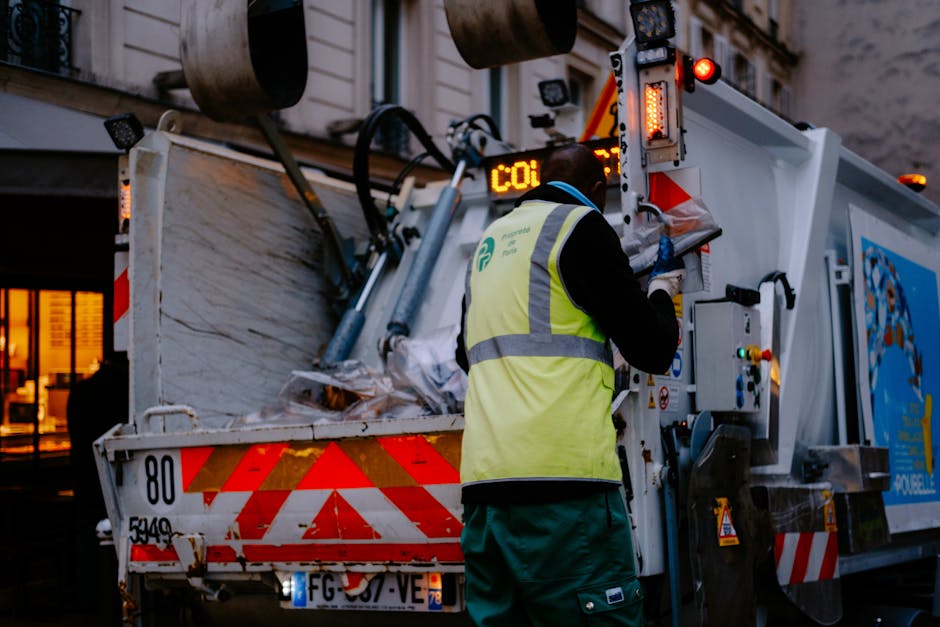
Willesden High Road rubbish removal service guide
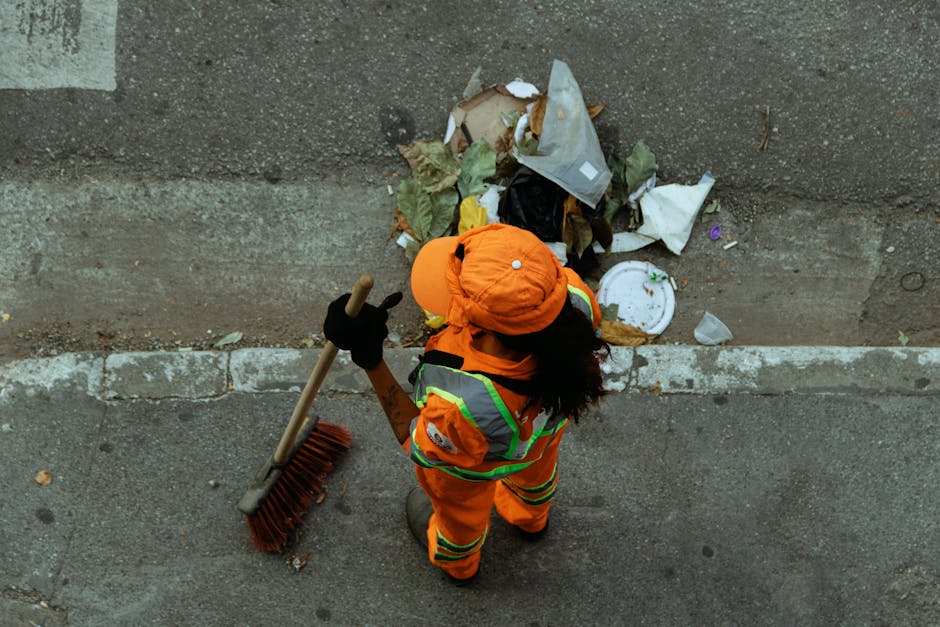
If you are dealing with a pile of unwanted stuff on or near Willesden High Road, you probably want one thing: a clean, quick, no-nonsense way to get it gone. That is exactly what this Willesden High Road rubbish removal service guide is here to help with. Whether you are clearing a flat, shifting builder's debris, sorting old furniture, or just trying to reclaim a hallway that has slowly turned into storage, the process can feel more involved than it first looks.
Truth be told, rubbish removal is one of those jobs that looks simple until you are standing there with a broken wardrobe, a bag of mixed waste, and no lift. This guide breaks everything down in plain English: how the service works, what it is useful for, how to choose the right option, what to avoid, and which related services may make more sense for certain loads. A bit of planning saves a lot of headache.
By the end, you will know how to approach waste clearance on Willesden High Road with far more confidence, whether the job is small and awkward or large and properly messy.
- Why this guide matters
- How the service works
- Key benefits and practical advantages
- Who it is for
- Step-by-step guidance
- Expert tips for better results
- Common mistakes to avoid
- Tools, resources and recommendations
- Law, compliance and best practice
- Options and comparison table
- Case study or real-world example
- Practical checklist
- Conclusion
- Frequently asked questions
Why Willesden High Road rubbish removal service guide Matters
Willesden High Road is busy, mixed-use, and very much a place where rubbish can become a nuisance quickly. Shops, flats, offices, refurbishments, food premises, and everyday households all generate different kinds of waste. Add tight parking, limited loading space, and the general pace of London life, and the wrong clearance plan can waste time before you even begin. That is why a local-minded guide matters.
The practical issue is not just "how do I throw this away?" It is more like: how do I remove it safely, legally, and without slowing everything else down? That question matters whether you are a homeowner, landlord, tenant, tradesperson, or business owner. A good rubbish removal plan protects the property, the pavement, your schedule, and your back. Yes, your back too. Let's not pretend lifting a damp sofa on a narrow stairwell is a nice Saturday activity.
On a road like this, speed and coordination matter. So does choosing the right disposal method for the material itself. Mixed waste, bulky furniture, garden cuttings, construction rubble, confidential paper, and appliances all behave differently once they leave your premises. A sensible guide helps you avoid paying for the wrong type of clearance or making a disposal mistake that creates extra work later.
How Willesden High Road rubbish removal service guide Works
In simple terms, rubbish removal is a collection and clearance service that takes unwanted items away from your home, business, or site and ensures they are sorted, transported, and disposed of properly. In practice, it usually starts with a brief assessment of what needs removing and how accessible it is. That could happen by photos, a call, or a site visit depending on the job.
For straightforward loads, the process is often quick: the team arrives, confirms the volume, agrees the price or scope, loads the waste, sweeps up, and leaves the area tidy. For more complex clearances, the job may involve separating reusable items, handling awkward access, or planning around other work on site. That is especially common with builders waste clearance, house clearance, or office clearance where time, access, and sorting all matter.
There are also special categories that need a bit more care. Appliances, for example, may need separate handling, which is where fridge and appliance removal becomes relevant. Sofas and mattresses are another common example. They are bulky, awkward, and often better handled through a dedicated route such as mattress and sofa disposal. If waste includes anything potentially harmful, then hazardous waste disposal should be treated separately and carefully.
The real point is this: good rubbish removal is not just about taking things away. It is about matching the right clearance method to the right material and the right access conditions. That is what makes the job smooth instead of chaotic.
Key Benefits and Practical Advantages
There are plenty of reasons people choose rubbish removal rather than trying to handle everything themselves. The obvious one is convenience, but the better reason is control. A properly managed clearance gives you a tidy result with fewer moving parts, and in a place as busy as Willesden High Road, that can be a big win.
Here are the main advantages:
- Fast turnaround: useful when a property needs to be emptied before a handover, sale, or new delivery.
- Less physical strain: ideal when items are too heavy, dusty, or awkward to move safely on your own.
- Better organisation: waste can be sorted more cleanly, especially if there is a mix of reusable, recyclable, and general rubbish.
- Cleaner finish: good teams do not just load and leave; they leave the area safer and more presentable.
- More suitable for mixed loads: particularly useful if you have furniture, bags, light construction debris, and odd bits all together.
There is also a softer benefit people often overlook: less stress. That sounds simple, but clutter has a way of sitting in the corner of your eye and nagging at you. Once it is gone, the room feels bigger. Airier, even. You notice the floor again. It sounds minor until it happens.
If you are trying to reduce waste and choose better disposal routes, it helps to look at broader service information too, such as general waste removal and recycling and sustainability. Those pages are especially useful if your main aim is responsible disposal rather than just speed.
Who This Is For and When It Makes Sense
This kind of service is not just for people with massive clear-outs. It is often the most sensible option for small, ordinary problems that have become annoying enough to ignore no longer. A single broken wardrobe on the second floor? A garage full of half-used materials and old boxes? A shop refit with mixed packing waste? That is exactly the sort of thing rubbish removal can handle well.
It tends to make sense for:
- homeowners clearing clutter before guests, renovation, or a move
- tenants and landlords dealing with left-behind items
- estate and probate clearances where time and sensitivity matter
- businesses needing discreet, out-of-hours or tidy clearance support
- tradespeople producing mixed site waste from refurbishment work
- people living in flats where stair access makes lifting difficult
For flats and smaller properties, flat clearance is often the most direct fit. If the job is mostly household clutter, home clearance or house clearance may be a better match. For lofts, garages, and similar forgotten corners, the specialised routes loft clearance and garage clearance are worth considering.
And if you are a business owner on or near Willesden High Road, the need can be more routine than dramatic. Boxes build up, office chairs get damaged, old stock needs shifting, and suddenly the back room looks like it has been collecting regrets for months. Happens all the time, honestly.
Step-by-Step Guidance
Here is the simplest way to think about the process from start to finish. No fluff, just the useful part.
- List everything that needs removing. Separate bulky items, bagged waste, recyclables, electrical items, and anything potentially hazardous.
- Check access. Ask yourself whether there is parking nearby, lift access, narrow stairs, or restricted loading space.
- Choose the most suitable service type. For example, builders waste, furniture disposal, office clearance, or general waste removal.
- Get a clear price or estimate. Good pricing should reflect the load size, ease of access, and any special handling requirements. A simple reference point is the site information on pricing and quotes.
- Prepare the waste before the team arrives. Put smaller items together, clear pathways, and keep anything you want to retain away from the loading area.
- Confirm any restrictions. If you have items that require special handling, say so early. That avoids surprises on the day.
- Let the clearance happen. A tidy team should work safely, load efficiently, and sweep up after themselves.
That sounds basic, but basic is good. A calm, clear process beats improvising while the van is waiting and everyone is sweating a bit. If the job includes payments or online booking, it is sensible to review payment and security before you commit, especially if you prefer to understand the process upfront.
A small tip from real life: take photos before the collection. Not because anything terrible is likely to happen, but because photos help avoid misunderstandings about volume, access, and what was actually there in the first place. Handy, and mildly boring, which usually means useful.
Expert Tips for Better Results
The best rubbish removal jobs are usually the ones that were prepared properly. Here are a few practical habits that save time and keep things running smoothly.
- Group similar items together. It helps with loading and makes sorting easier.
- Break down what you safely can. Flat-pack furniture, cardboard, and loose packaging are much easier to handle when compacted.
- Keep hazardous items separate. Paints, chemicals, batteries, and certain cleaners should never be mixed in casually with general rubbish.
- Think about reusable items first. Furniture in fair condition may be more suitable for furniture clearance or furniture disposal than general waste.
- Use service pages to match the job. If the load is mainly unwanted chairs, tables, and cupboards, furniture clearance may be the neatest fit.
- Plan around neighbours and business hours. On a road like this, timing can matter as much as transport.
If the job is outdoors, think about weather too. A damp morning can make cardboard heavy, surfaces slippery, and lifting more awkward. It is not dramatic, just one of those little things that affects the whole job. London weather loves a bit of timing, doesn't it?
For specialist items, use specialist routes. That might mean garden clearance for green waste, or builders waste clearance for renovation debris. Keeping the load focused often produces a cleaner, more efficient result.
Common Mistakes to Avoid
A lot of problems happen before the van even arrives. The most common mistake is assuming all rubbish is the same. It really is not. Mixed waste, appliances, heavy rubble, soft furnishings, and confidential documents all have different handling needs.
- Mixing special waste with normal waste: this can complicate disposal and cause delays.
- Underestimating volume: a load that looks small in the corner can turn into a surprisingly large job once moved.
- Leaving pathways blocked: this slows the removal down and can create avoidable safety risks.
- Not checking item restrictions: some items need separate handling, especially appliances or potentially hazardous materials.
- Forgetting access details: low bridges, parking limits, stair-only access, and narrow entrances all matter.
Another common slip is waiting until the last possible minute. That is very human, to be fair, but it usually costs you more time and more stress. If the waste is part of a move, refurb or end-of-tenancy deadline, build in a little breathing room. Even one extra day can make the whole thing feel far more manageable.
And a small one that catches people out: not clearing what you want to keep. It sounds obvious, but in a busy room, small items disappear into the general mess. Put personal or important things in a separate space first. Much safer.
Tools, Resources and Recommendations
You do not need a van-load of equipment to prepare for rubbish removal, but a few basic tools help.
- heavy-duty bin bags for loose waste
- packing tape for bundling smaller items
- gloves for dusty or awkward materials
- a marker pen for labelling anything sensitive or keep-worthy
- blankets or wrap for furniture edges if items need to pass through tight areas
On the service side, some useful pages to compare with rubbish removal are furniture disposal, office clearance, and fridge and appliance removal. They help you narrow the job down instead of using a one-size-fits-all approach.
If you are trying to understand what can go where, what can go in a skip is also worth reading. Even if you do not end up using a skip, the guidance helps you think more clearly about waste categories and common restrictions.
For businesses handling paperwork, confidential or archive material, confidential shredding is a better fit than tossing documents into mixed rubbish. It is one of those things people forget until the last minute. Then they remember very fast.
Law, Compliance, Standards, or Best Practice
Waste disposal in the UK should always be approached carefully and sensibly. You do not need to turn it into a legal seminar, but it does matter that rubbish is collected, transported, and handled responsibly. If you are disposing of waste from a business, the duty to keep records, sort materials properly, and avoid fly-tipping risk becomes even more important in practice.
For householders, the basic best practice is straightforward: do not leave waste outside in a way that blocks pavements or creates hazards, and do not assume every item can be dumped with ordinary rubbish. For businesses, there is usually more pressure to keep clear lines of responsibility, especially where commercial waste, customer access, and health and safety overlap.
It is also wise to check whether any item is classed as special or potentially hazardous. Paints, solvents, damaged electricals, sharp materials, and other risky waste should not be treated casually. If in doubt, ask before collection. It is better to ask the slightly boring question now than to fix a messy problem later.
From a trust perspective, it helps to look for services that are clear about safety and operational standards. Pages such as health and safety policy, insurance and safety, and modern slavery statement can give readers a fuller sense of how a provider approaches responsibility, not just the collection itself.
Options, Methods, or Comparison Table
Not every clearance job needs the same method. Choosing well is often the difference between a smooth morning and a very annoying one.
| Option | Best for | Strengths | Watch-outs |
|---|---|---|---|
| General rubbish removal | Mixed household or business waste | Flexible, quick, practical for everyday clutter | Less ideal if the load contains specialist waste |
| Furniture clearance | Sofas, tables, wardrobes, chairs | Good for bulky items and room clear-outs | May need pre-checking for condition and access |
| Builders waste clearance | Renovation debris, rubble, offcuts | Tailored to construction-style waste | Heavy loads need careful planning |
| Flat or house clearance | Full property clear-outs | Best for larger, more structured jobs | Usually needs more preparation and time |
| Garden clearance | Green waste and outdoor clutter | Useful for seasonal tidy-ups | Wet organic waste can be heavier than expected |
If you are unsure which route fits, the safest answer is to match the service to the dominant waste type. One or two odd items can sit within a general clearance, but once the load becomes mostly furniture, mostly rubble, or mostly green waste, it usually makes sense to use the service built for that category.
Case Study or Real-World Example
Here is a realistic example. A small flat just off Willesden High Road needs clearing after a tenant move-out. The property contains a broken bed frame, an old sofa, several bags of mixed household waste, a fridge, and a few boxes from the kitchen. Nothing glamorous. Just the usual life admin pile-up.
A sensible approach would be to separate the items first: furniture for one route, the fridge for appliance-specific handling, and the smaller mixed waste for general rubbish removal. If the flat is on an upper floor with narrow stairs, access becomes a major part of the job. In that case, flat clearance may be the better overall fit because it keeps the job organised and realistic.
The result is not just a cleared room. It is fewer trips, fewer surprises, less risk of damaging walls or bannisters, and a much quicker handover. That is the difference between a job that drags on and a job that just gets done. Simple, but effective.
Another common scenario is a small office refresh. Old chairs, dated filing cabinets, cardboard packaging, and a printer that has finally given up. A business may prefer business waste removal or office clearance because it keeps things discreet and avoids cluttering the working day. That kind of planning is boring in the best possible way.
Practical Checklist
Use this quick checklist before booking or collecting waste from Willesden High Road:
- List every item or type of waste clearly
- Separate furniture, electricals, green waste, and general rubbish
- Check access, parking, stairs, and lift availability
- Remove anything you want to keep or donate
- Identify any hazardous or restricted items early
- Choose the right service category for the main load
- Review pricing, payment, and booking details
- Take quick photos for your own records if helpful
- Clear a path to the items before collection day
- Confirm whether sweeping or basic tidy-up is included
If you are planning ahead for a bigger job, it may help to review service pages such as garage clearance, loft clearance, or home clearance so you can match the scope properly before the team arrives.
Conclusion
Willesden High Road rubbish removal does not need to be complicated, but it does need to be thought through. The better you match the waste type, access, and timing to the right service, the smoother the whole process becomes. That is the big lesson here. Not fancy. Just practical.
Whether you are clearing one bulky item or a full property, the key is to prepare early, separate waste sensibly, and choose the route that fits the job instead of forcing everything into one box. That approach saves time, reduces stress, and usually leaves you with a better result. And honestly, once the clutter is gone, the whole place feels lighter. You notice it immediately.
Get a free quote today and see how much you can save.
Frequently Asked Questions
What is included in a rubbish removal service on Willesden High Road?
Most rubbish removal services include collection, loading, transport, and disposal of the agreed waste. Some also include light sweep-up afterwards. Always confirm exactly what is included, especially if you have bulky items or mixed waste.
How do I know whether I need general rubbish removal or a specialist service?
If your waste is mostly mixed household or business clutter, general rubbish removal may be fine. If the load is mainly furniture, green waste, appliances, or construction debris, a more specific service is usually the better fit.
Can I mix furniture with normal rubbish?
Sometimes yes, but it depends on the volume and the provider's rules. For a few small items, it may be manageable. For larger loads, furniture clearance is usually cleaner and more efficient.
What should I do with an old fridge or appliance?
Appliances should be handled separately because they often require special treatment. A dedicated route such as fridge and appliance removal is the safer option.
Is rubbish removal better than hiring a skip?
It depends on the job. A skip can suit ongoing projects, but rubbish removal is often better when access is tight, the load is awkward, or you want everything taken away in one visit. If you are comparing the two, what can go in a skip is a useful reference point.
How can I prepare my property before collection day?
Group similar items together, clear access routes, separate anything you want to keep, and point out any difficult items in advance. A little preparation makes a surprisingly big difference.
What if I have waste from a renovation or repair job?
That is usually best handled as builders waste clearance. Materials like plaster, timber offcuts, packaging, and broken fixtures often need a more suitable disposal approach than ordinary household rubbish.
Can businesses use rubbish removal for office clutter and old equipment?
Yes. Many businesses use it for office moves, storage clear-outs, packaging waste, and old furniture. In many cases, business waste removal or office clearance is the most practical option.
What happens if I have hazardous waste?
Hazardous waste should be treated with care and kept separate from general rubbish. If you are unsure whether an item qualifies, ask before booking. The safer route is always to check first rather than guess.
How do I avoid overpaying for rubbish removal?
Be clear about the load size, item types, and access conditions. Compare the right service category, review pricing and quotes, and do not forget to mention awkward access or special items upfront.
Is it worth separating recyclable items before collection?
Yes, if you have the time. Separation can make the process cleaner and may support a more responsible disposal approach. It is not always essential, but it often helps, especially on mixed clear-outs.
Where can I learn more about safe and responsible waste handling?
You can read more about responsible disposal through pages like recycling and sustainability, health and safety policy, and insurance and safety. They give a better sense of how a professional service should operate.
What if I just want one or two items removed?
That is still worth arranging if the items are bulky, heavy, or hard to move safely. A single mattress, sofa, or awkward appliance can be more trouble than it looks. Sometimes the small jobs are the ones people are happiest to hand over.
How do I book the service if I am ready?
If you are ready to move ahead, use the online booking route on the site and check the relevant service details first. It helps to review the job carefully, then choose the option that matches your waste type and access conditions.