Health and Safety Policy — Business Waste Removal Willesden
Purpose and Scope
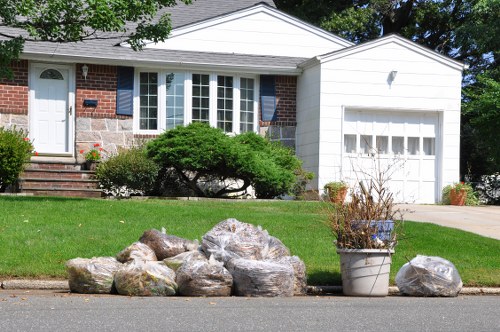 This Health and Safety policy describes the arrangements and responsibilities that govern safe operations for our business waste removal Willesden activities. It applies to all staff, contractors, and any third parties working with the organisation while carrying out commercial rubbish collection and waste management tasks within the defined service area. The objective is to reduce risk, ensure compliance with applicable regulations, and protect employees, clients, and the public from injury and illness while performing waste handling, transport, and disposal duties.
All personnel are required to observe the policy, attend appropriate training, and use the specified equipment. This document sets out the responsibilities of management and employees, safe working methods, risk assessment procedures, and monitoring arrangements. It is intended to be a living document that evolves as the rubbish company service area operations change and as new hazards are identified.
 The policy covers operational activities including collection scheduling, manual handling, vehicle loading, segregation of recyclable and non-recyclable materials, containment of hazardous waste streams, and site clearance. It also addresses the safe operation of compactors, balers, and other mechanical equipment used in commercial waste removal. Managers must ensure that staff are competent and that risk controls are documented and implemented for every task.
Responsibilities
Senior management retains ultimate accountability for health and safety in the waste removal business. They shall: establish, maintain and review the policy; provide necessary resources; ensure risk assessments are completed; and appoint competent supervisors to oversee daily operations. Supervisors are responsible for implementing controls, maintaining records, and reporting incidents promptly. Employees must follow safe systems of work, wear required PPE, report hazards, and participate in training and toolbox talks.
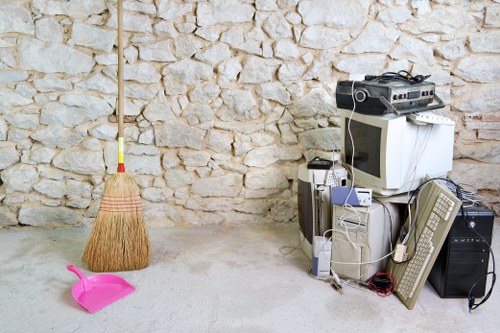 Site operatives, drivers, and office staff share duties appropriate to their roles. Drivers must perform vehicle checks, secure loads, and follow safe routes while carrying out commercial waste collection services. Operatives handling bulky or hazardous materials must use mechanical aids where provided and observe correct lifting techniques. Office-based staff must support operational compliance by maintaining accurate documentation and scheduling to avoid rushed or unsafe practices.
Risk Assessment and Control Measures
Risk assessments must be recorded, reviewed regularly, and updated after any incident or process change. Key control measures include:- Personal Protective Equipment (PPE): gloves, high-visibility clothing, safety boots, eye protection and respiratory protection where required.
- Safe lifting and handling: training in manual handling, use of trolleys and lifting equipment, and restrictions on single-person lifts for heavy items.
- Vehicle safety: routine maintenance, load securing, reversing alarms, and safe driver practices.
- Hazardous waste segregation: identification, labelling, containment and specialist handling for chemicals, contaminated materials and sharps.
Training, Communication and Monitoring
Training is essential to ensure that the team can deliver safe and effective business waste removal services. All staff will receive induction training and periodic refresher courses covering risk awareness, manual handling, spill response, emergency procedures and safe use of equipment. Written instructions, verbal briefings and practical demonstrations will be used to reinforce safe working practices.
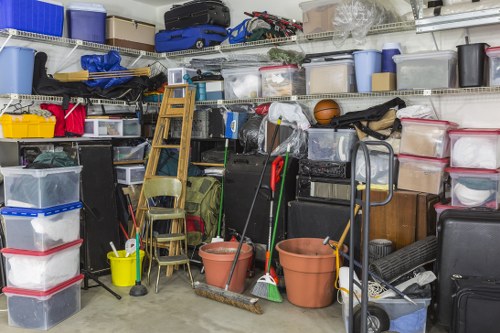 Regular monitoring, including workplace inspections, vehicle audits and review of incident logs, will be carried out to assess performance and identify opportunities for improvement. Accident and near-miss reporting procedures are mandatory; each report will be investigated to determine root causes and corrective actions. Performance metrics will include incident frequency, training completion rates and audit outcomes to drive continuous improvement across the commercial rubbish collection operation.
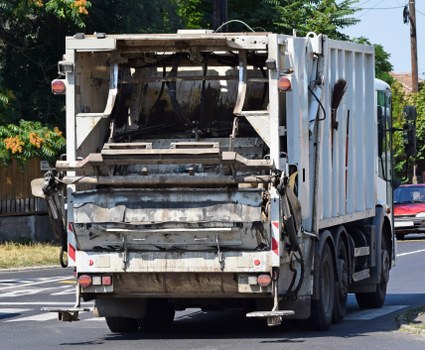 Emergency preparedness includes clear procedures for first aid, fire response, spill containment and liaison with emergency services if required. First aid kits and spill kits will be available at key locations and in vehicles. Appointed first aiders and spill response leads will be trained and accessible during operations. Clear evacuation and rendezvous points must be communicated to staff working at customer sites and service yards.
Review and Continuous Improvement
This policy will be reviewed at least annually, or sooner following significant operational changes, incidents or legislative updates that affect waste handling standards. Reviews will involve consultation with employees and, where relevant, subcontractors. The review process will assess the adequacy of controls, training effectiveness and suitability of emergency arrangements, with documented updates issued to all staff. By maintaining an active, consultative approach to health and safety, the organisation demonstrates its commitment to safe, responsible business waste removal across the service area.
Declaration: Management commits to providing the resources necessary to implement this policy and expects full cooperation from everyone involved in the waste removal operation. Together we will work to ensure a safe workplace for employees, customers and the public while delivering reliable and compliant commercial waste collection and disposal services.
